
Cybersecurity
August 31, 2026
Learn how AI based malware detection stops polymorphic threats and zero-day attacks using deep learning, behavioral analysis, and multi-modal pipelines.
A cyber security health check is a structured review of your organization's digital systems, security controls, and policies to identify vulnerabilities before attackers can exploit them.
Here's what a cyber security health check covers at a glance:
| Area | What Gets Reviewed |
|---|---|
| Asset Inventory | All managed and unmanaged devices, servers, and applications |
| Network Security | Firewall rules, configurations, and access controls |
| Vulnerability Assessment | Unpatched software, misconfigurations, and exposed entry points |
| Human Risk | Phishing awareness, password hygiene, and access privileges |
| Incident Response | Documented plans, response drills, and recovery readiness |
| Compliance Alignment | Mapping controls to NIST, GDPR, HIPAA, or other frameworks |
The numbers make a clear case for taking this seriously. Eight in ten organizations have experienced a cybersecurity incident within a single 12-month period. Half of those encountered incidents multiple times in the same year. The average cost of a data breach now sits around $4.35 million — and that figure doesn't include the reputational damage that follows.
Yet 74% of companies still aren't ready for a cyberattack based on their strategy, oversight, and technology choices. That gap between risk and readiness is exactly what a cyber security health check is designed to close.
For MSPs managing security on behalf of multiple clients, that gap is multiplied across every organization in your portfolio. A single missed vulnerability in one client's environment can cascade into a second serious incident — and a serious liability.
I'm Shahin Pirooz, a senior cybersecurity and technology executive with over 20 years of experience building Managed Security and Cloud Services, and I've spent my career helping organizations operationalize the cyber security health check from a one-time audit into a continuous, proactive discipline. In the sections that follow, we'll walk through everything you need to run better, more effective health checks for your clients — and how to move beyond point-in-time snapshots toward the kind of continuous visibility that modern threats demand.
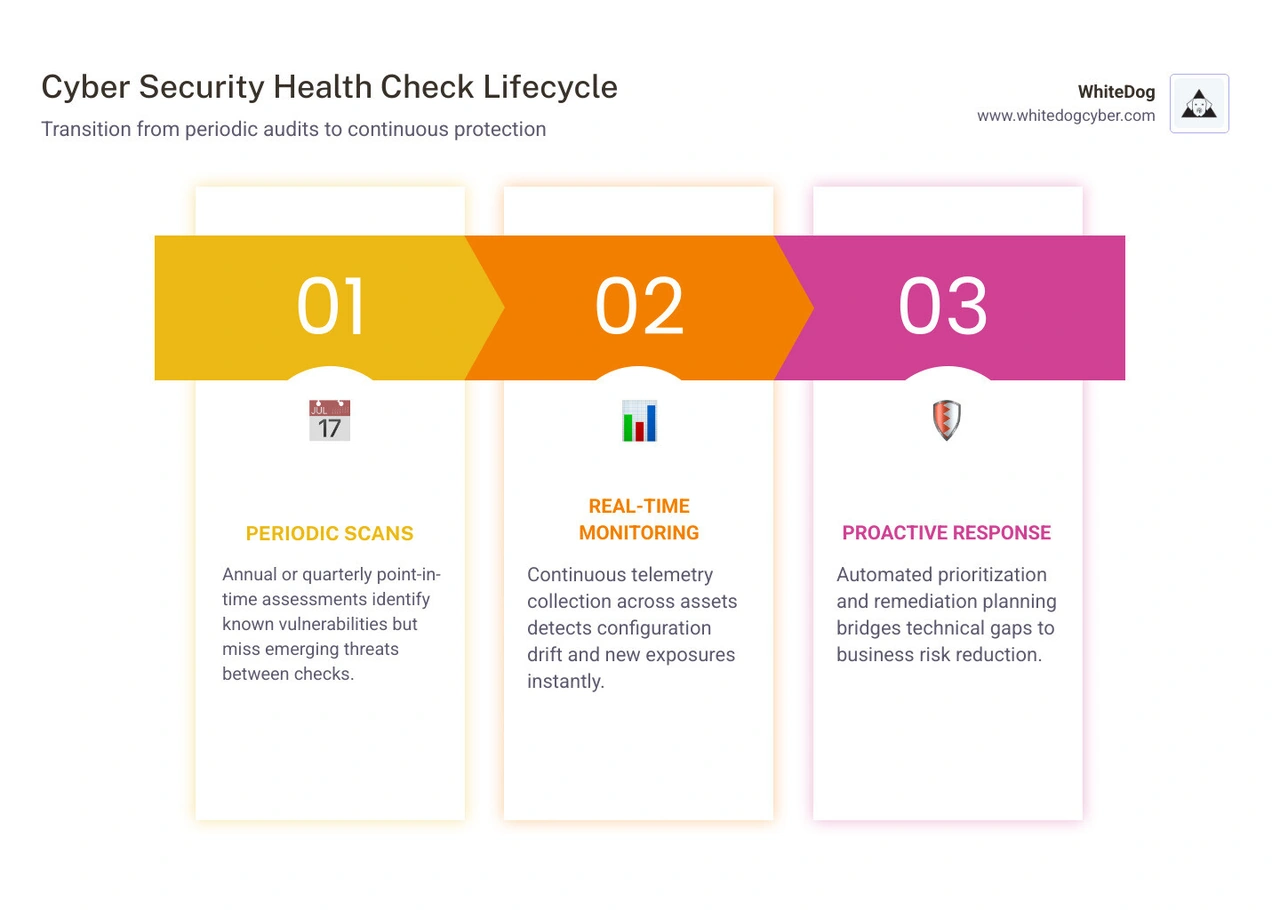
In the past, a health check was often treated like a physical exam: you show up once a year, get poked and prodded, and hope for a clean bill of health. But in May 2026, the digital landscape moves too fast for that. A modern cyber security health check is an exhaustive evaluation of your entire IT infrastructure. It isn't just about scanning for open ports; it’s about understanding the context of your risk.
At its core, this process involves identifying every asset on the network—both managed and unmanaged—and evaluating the efficacy of the security tools protecting them. According to the Cybersecurity Health Check for Organisations | Cyber Security Agency of Singapore, a true health check must bridge the gap between technical findings and business risk. It’s one thing to find a missing patch; it’s another to understand that the missing patch is on a server holding critical intellectual property.
We often tell our partners that they need to Find Your Gaps Before Attackers Do. This means looking at the health check as a strategic roadmap. It identifies where your defenses are strong and where they are brittle, providing actionable intelligence that transforms your security posture from a reactive "wait and see" approach to a proactive business advantage.
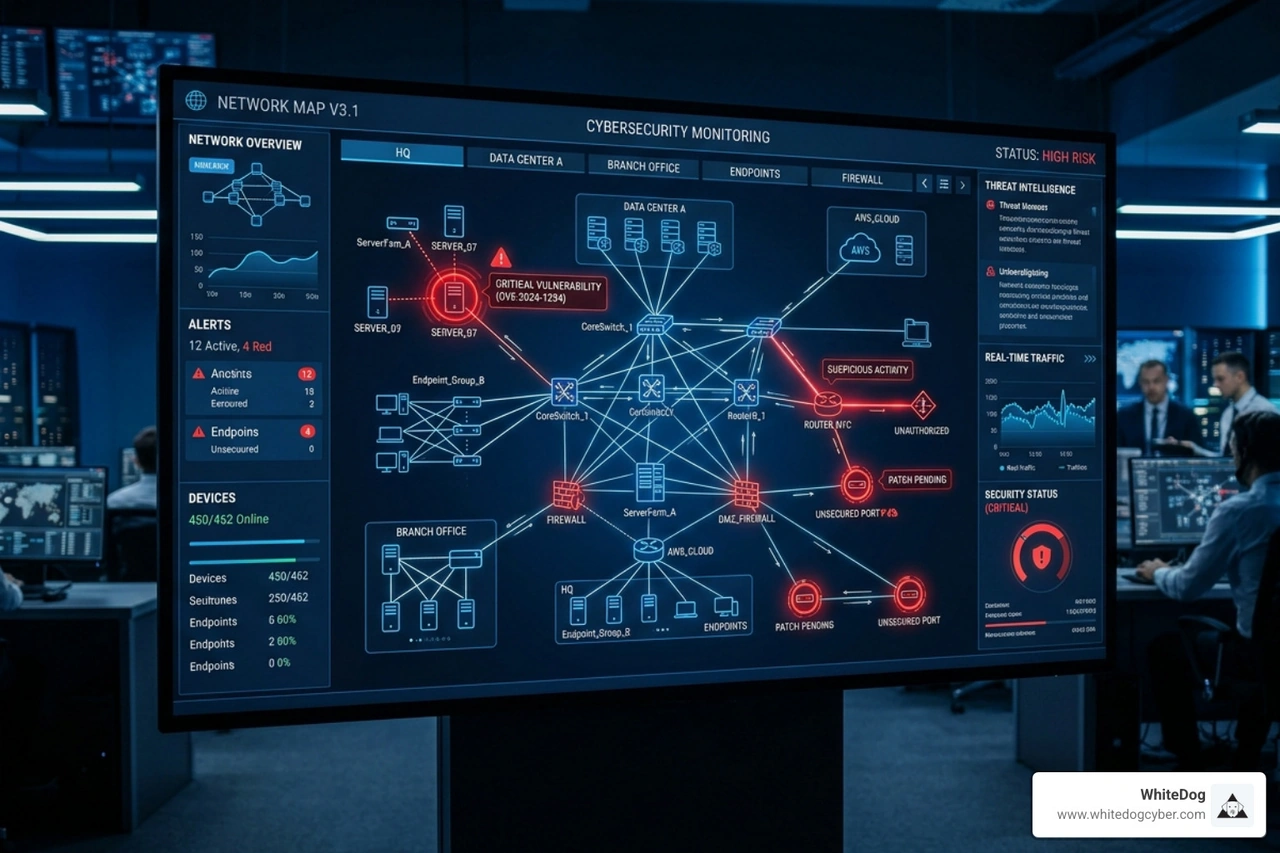
If you need a reason to prioritize these assessments, look no further than the balance sheet. The average cost per data breach has climbed to $4.35 million. For small and medium-sized businesses (SMBs), the stakes are even higher. Over 40% of small businesses have already experienced a cyber-attack, and 63% of SMBs reported a data breach in the last year alone.
Ransomware remains a primary driver of these costs. In regions like Singapore, the average cost of a ransomware attack is estimated at $1.5 million. These aren't just numbers; they represent lost wages, destroyed reputations, and, in some cases, the end of the business entirely. We always advise our clients to Prepare To Be Hacked because the question isn't "if," but "when."
| Feature | Proactive Health Check | Reactive Breach Response |
|---|---|---|
| Cost | Predictable, budgeted expense | Unpredictable, often millions in losses |
| Downtime | Minimal to none | Days or weeks of total paralysis |
| Reputation | Builds trust with stakeholders | Significant brand damage |
| Compliance | Demonstrates due diligence | Potential for massive regulatory fines |
Beyond the financial impact, a cyber security health check is essential for business continuity. If you don't know where your data lives or how it's protected, you can't restore it effectively when things go wrong. In 2026, the web browser has become the "front door" to most businesses, and without regular checks, that door is often left wide open to GenAI data leaks and sophisticated phishing.
A "quick look" isn't a health check. To be effective, the process should align with globally recognized standards like the NIST Cybersecurity Framework (CSF), which focuses on five pillars: Identify, Protect, Detect, Respond, and Recover.
A high-level assessment might start with a Cyber Health Check Tool | Cyber.gov.au to establish a baseline, but a deep dive requires Comprehensive Continuous Attack Surface Management. You cannot protect what you cannot see, making a comprehensive asset inventory the non-negotiable first step.
The technical side of the house focuses on the "plumbing" of your security. This includes:
Human error remains one of the top causes of cyber incidents. A health check must evaluate the "Human Risk" pillar. This involves:
To make a cyber security health check work for an organization, it has to be more than a PDF report that sits in a drawer. It needs to be an operational workflow that engages stakeholders from the server room to the boardroom. Many organizations fall into the trap of thinking a clean pen test means they are secure, but we’ve seen cases where You Passed The Pen Test And Still Got Breached. The goal is continuous improvement, not a one-time "pass" grade.
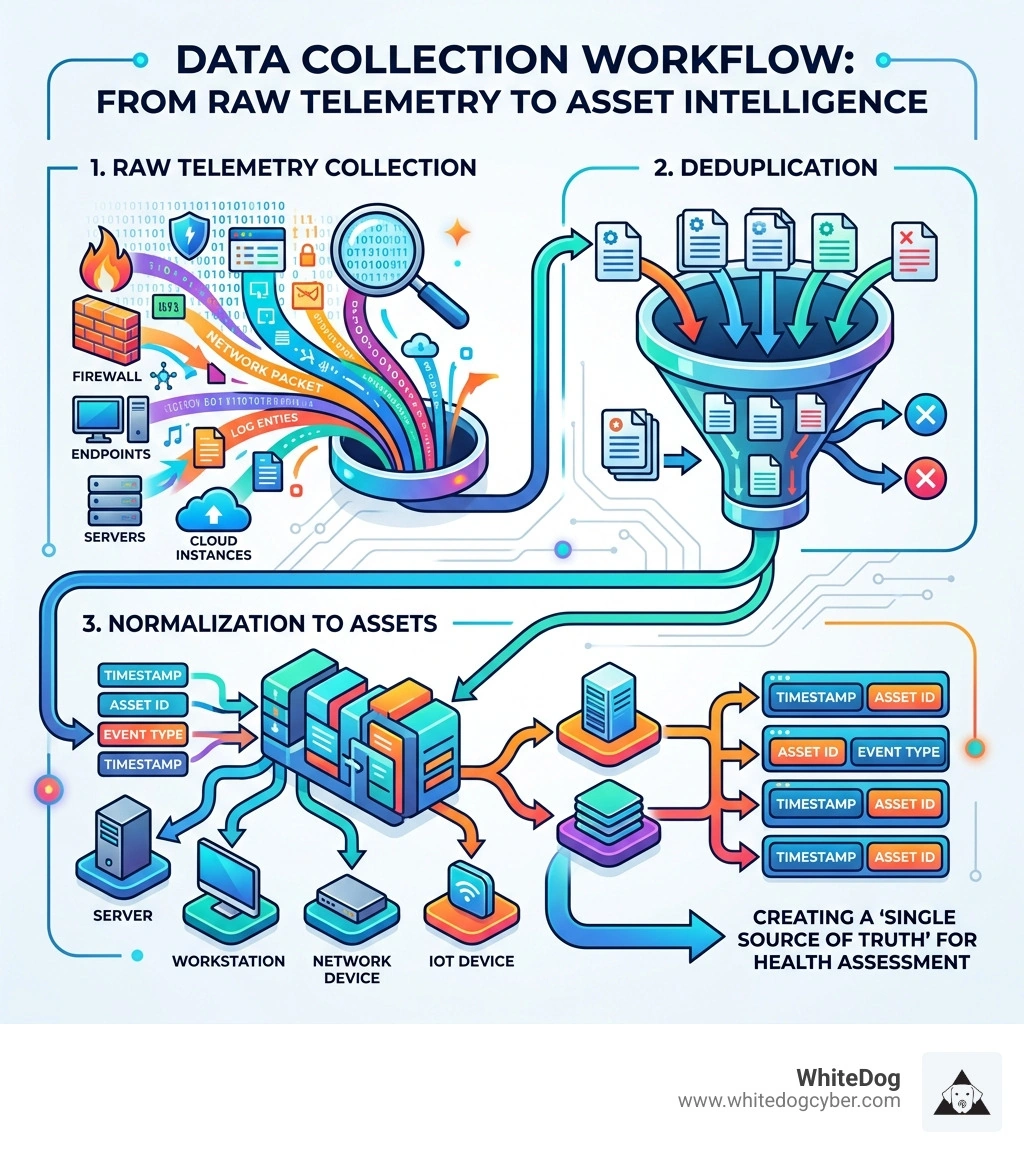
The first step is gathering the raw data. This isn't just about running a scanner; it's about collecting telemetry from across the entire stack.
Once you have the data, you need to prioritize. Not every vulnerability is a "P1" emergency.
In 2026, the standard is moving away from annual checks toward a quarterly schedule at a minimum. However, for organizations with high-value data, continuous monitoring is the gold standard. You should also trigger a health check after any major technology change—such as a cloud migration or the implementation of new GenAI tools—and certainly as part of a post-incident review to ensure the "entry point" has been sealed.
Whether it’s GDPR, HIPAA, or the NIST CSF, most regulations require "regular testing and evaluation of the effectiveness of technical and organizational measures." A cyber security health check provides the documented proof that you are doing exactly that. By mapping your health check findings directly to compliance controls, you simplify the audit process and reduce the risk of heavy fines. It transforms compliance from a "checkbox" exercise into a genuine risk management strategy.
Small businesses often feel overwhelmed by cybersecurity. The good news is that there are excellent free resources available, such as the Australian Government’s Cyber Health Check tool or the ISC2 volunteer-driven assessments. For a more robust, enterprise-grade approach without the "tool sprawl," leveraging a Unified Cybersecurity Platform is the most efficient path. By integrating your security stack into a single correlated timeline, you remove the complexity of managing 20 different vendors and focus on what matters: staying secure.
The traditional, once-a-year cyber security health check is no longer enough. In a world of "security drift" and evolving AI threats, an annual audit is just a snapshot of a moment that has already passed. To truly protect an organization, we must transition from point-in-time assessments to continuous, actively managed security.
At WhiteDog, we provide a co-managed, white-label cybersecurity platform designed specifically to solve this problem for MSPs. Our platform is built for modular integration, allowing you to enhance your existing security posture without a 'rip and replace' approach. We provide a curated, integrated security stack backed by a 24/7 SOC that continuously investigates, triages, and responds to threats.
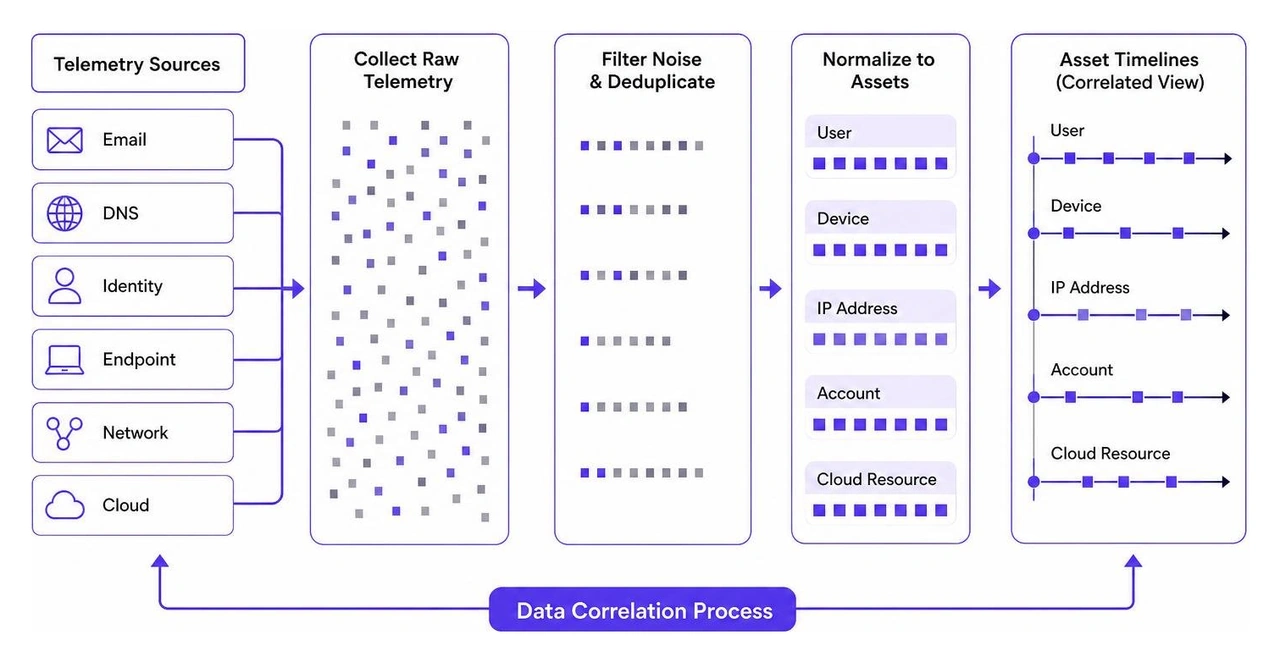
Our platform mechanism is built for operational efficiency: we collect raw telemetry from across your environment, filter and correlate it, and normalize it into a single, prioritized view. This eliminates tool sprawl and reduces dwell time, ensuring that "health" isn't just something you check every quarter—it's something you maintain every second.
For those seeking the highest level of protection, our Delta Detection & Response (DDR) offering provides a fully managed SOC. Incident response is included as a core component of our MDR, XDR, and Delta Detection & Response (DDR) services. It’s time to move beyond the checklist. Secure your business with our solutions and start running better security health checks today.


Learn how AI based malware detection stops polymorphic threats and zero-day attacks using deep learning, behavioral analysis, and multi-modal pipelines.
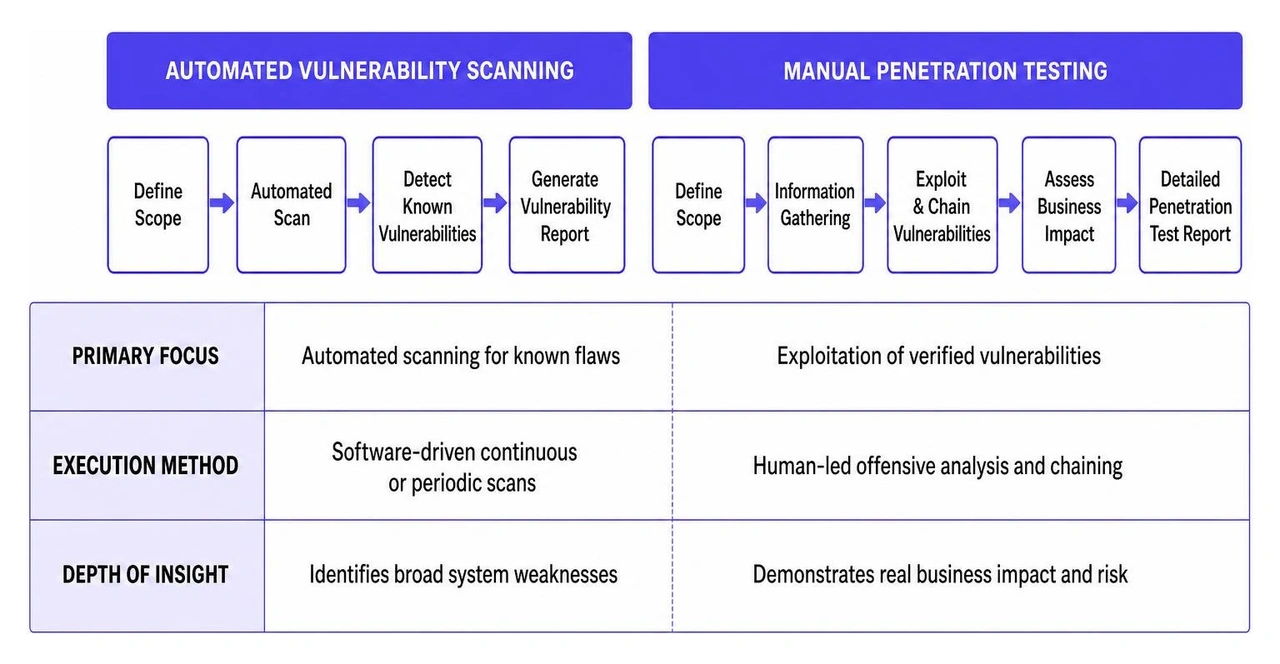
Learn penetration testing basics: ethical hacking methods, black-box scoping, and 7-phase workflows to reduce risk before attackers strike.
Learn how XDR risk reduction eliminates blind spots across endpoints, identity, and cloud to slash detection time and stop attacks faster.

Learn how AI driven threat detection predicts and stops attacks in minutes, with autonomous response across hybrid environments.
Unify your security with an XDR cybersecurity platform that correlates endpoint, network, and cloud threats for faster, managed response.
Compare EDR, XDR, and MDR solutions in this guide to endpoint detection & response, featuring WhiteDog's unified platform with 24/7 SOC and incident response.