Cybersecurity
August 31, 2026
Learn how AI based malware detection stops polymorphic threats and zero-day attacks using deep learning, behavioral analysis, and multi-modal pipelines.
Cloud security is the set of policies, controls, procedures, and technologies that protect cloud-based systems, data, and infrastructure. It consolidates protection across cloud networks, storage, applications, and workloads through centralized monitoring, robust access governance, and continuous telemetry. A well-designed cloud security strategy delivers clear operational advantages:
Modern enterprises no longer treat the cloud merely as offsite storage or occasional compute burst capacity. In 2026, the cloud serves as the operational backbone for mission-critical software, dynamic customer experiences, and distributed workforces. As organizations embrace rapid digital transformation and multi-cloud architectures, the threat landscape shifts dramatically. Traditional physical perimeters have dissolved, exposing applications and sensitive data directly to the public internet.
The stakes are higher than ever. Regulatory scrutiny from global frameworks continues to intensify, requiring organizations to prove continuous data protection and operational resilience. Running workloads across cloud environments without comprehensive governance creates significant risk. A single exposed API endpoint or inadvertently shared storage asset can result in severe compliance penalties, operational disruption, and lasting reputational damage.
Building a resilient cloud security program requires anchoring controls to the foundational tenets of information security: confidentiality, integrity, and availability (the CIA triad). In cloud environments, these concepts manifest through specialized, multi-layered defenses.
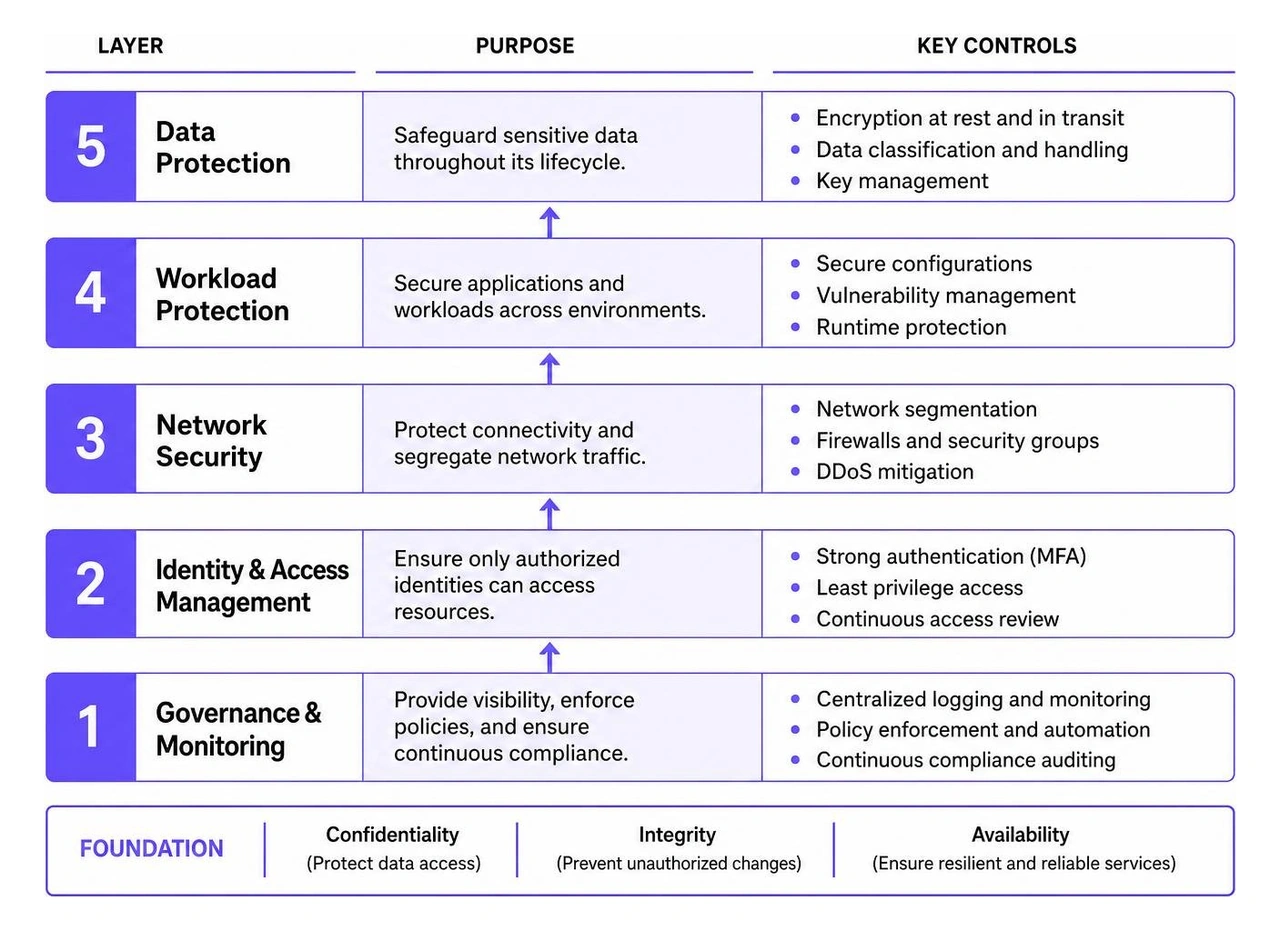
Layered defense (or defense-in-depth) ensures that no single control failure leads to a catastrophic breach. To protect dynamic environments, organizations integrate cloud-based endpoint management alongside network-layer controls and cloud security posture management. This unified telemetry connects user devices directly to the workloads they access, enabling teams to correlate threat signals across the entire attack chain.
The historical approach to enterprise security—building a fortified network boundary around a corporate office and trusting everything inside—fails completely in modern cloud ecosystems. Today, identity and application endpoints form the real security perimeter.
Adopting Zero Trust architecture is essential for protecting cloud workloads. Under a Zero Trust framework, implicit trust is eliminated: every access request, whether originating inside or outside the virtual network, must be explicitly authenticated, authorized, and continuously validated based on context.
Implementing micro-segmentation reinforces this philosophy. By dividing cloud networks into granular, isolated zones governed by fine-grained security policies, organizations prevent lateral movement. If an attacker manages to compromise a front-end web instance, strict segmentation prevents them from pivoting laterally to internal databases or administrative interfaces. Understanding the benefits of ZTNA architectures enables organizations to replace open corporate networks with precise, per-session application access controls that limit exposure by design.
Securing cloud environments begins with understanding operational boundaries. Security in the cloud operates under a shared responsibility model, which defines the division of labor between the Cloud Service Provider (CSP) and the customer. In short: the provider is responsible for the security of the cloud, while the customer remains responsible for security in the cloud.
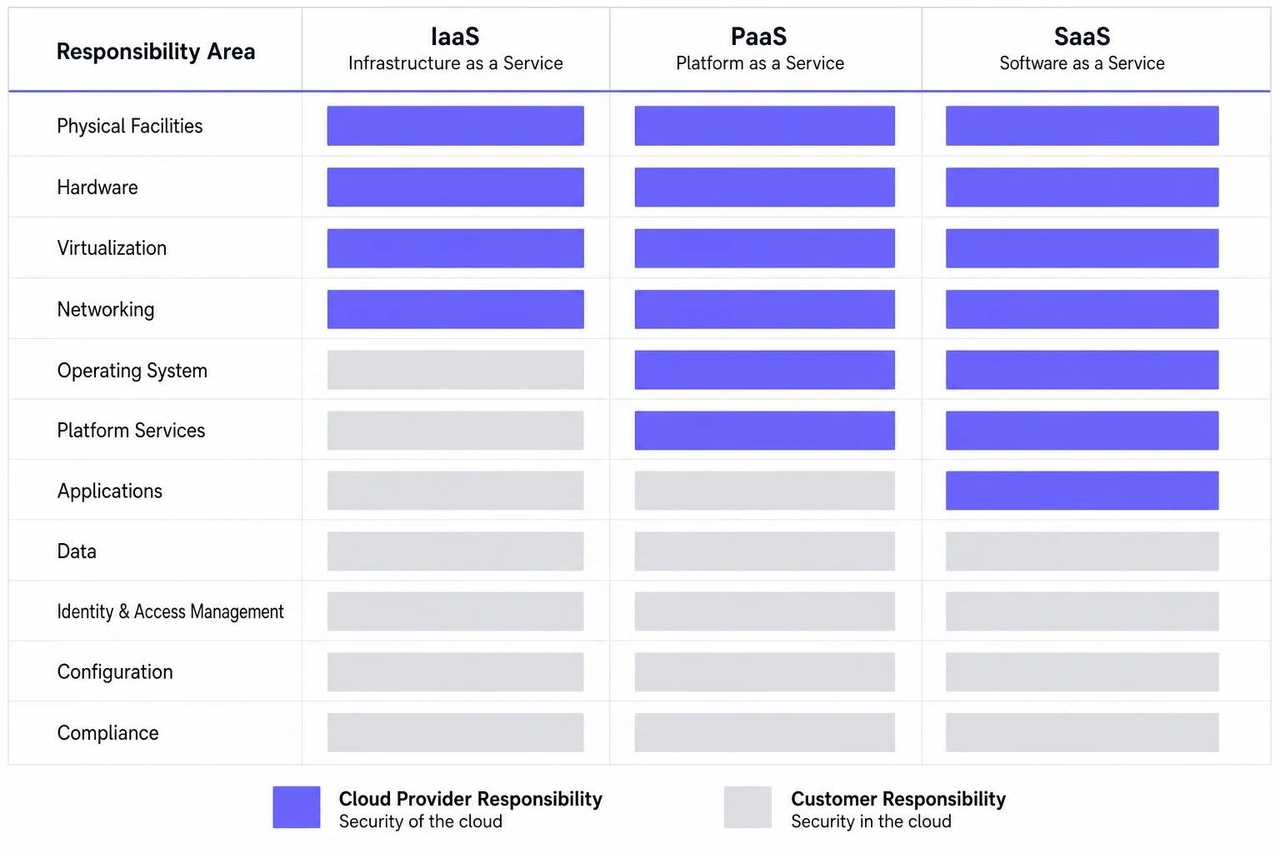
Cloud providers secure the physical facilities, underlying hardware, virtualization layer, and core networking infrastructure. They achieve rigorous third-party compliance certifications (such as SOC 2, ISO 27001, and FedRAMP) to validate these physical and hypervisor safeguards. However, customers remain strictly accountable for securing their data, managing user identities, defining access controls, configuring workloads, and maintaining compliance.
The boundary of responsibility shifts depending on the cloud service model deployed.
| Cloud Service Model | Cloud Provider Responsibilities | Customer Responsibilities | Typical Examples |
|---|---|---|---|
| Infrastructure as a Service (IaaS) | Physical data centers, host hardware, core network infrastructure, hypervisors. | Operating system installation and patching, network firewall rules, middleware, runtime environments, application code, identity management, data encryption, and configuration settings. | Virtual machines, raw block storage, virtual private clouds (VPCs). |
| Platform as a Service (PaaS) | Physical infrastructure, virtualization, operating system provisioning, OS patching, runtime environment maintenance, network availability. | Application source code, database configurations, user access governance, API integrations, data classification, and encryption keys. | Managed databases, serverless functions, container orchestration platforms. |
| Software as a Service (SaaS) | Physical security, infrastructure, OS, runtime, application software maintenance, feature updates, high availability. | User access permissions, credential lifecycle, multi-factor authentication enforcement, data classification, sharing settings, and device compliance. | Enterprise email, collaboration suites, CRM platforms. |
While the traditional shared responsibility model establishes clear contractual lines, modern cloud governance is shifting toward a shared fate model. In this collaborative framework, providers do not simply wash their hands of customer-side misconfigurations. Instead, they actively build security into the platform fabric through secure-by-design defaults, curated policy templates, automated baseline analyzers, and native telemetry streams.
Under a shared fate approach:
Cloud deployments enable rapid scaling, but that same agility introduces unique operational challenges. Attackers rarely need to breach hypervisors directly; instead, they target administrative oversights, exposed credentials, and vulnerable application programming interfaces (APIs).
Public cloud environments operate on multi-tenant foundations. While hypervisors enforce logical isolation between tenants, the fact that administrative planes are reachable via the public internet means attackers can leverage automated tooling to probe for exposed assets continuously. Combined with the inadvertent insider—employees or developers who bypass security controls to speed up deployment—cloud infrastructure faces relentless pressure from both external threat actors and internal operational drift.
Misconfigured assets remain the single leading cause of data breaches in cloud environments. Because developers can deploy infrastructure instantly via web consoles or automation scripts, human error frequently introduces critical exposures:
Over time, environments experience configuration drift—the divergence of running resources from their initial, documented security baselines. Conducting a comprehensive cloud security audit helps organizations identify hidden drift, uncover exposed assets, and remediate systemic configuration flaws before adversaries discover them.
In traditional environments, servers had static IP addresses and physical hostnames that remained unchanged for years. In contrast, cloud workloads are dynamic and ephemeral: container instances and serverless functions spin up, scale horizontally, and terminate within minutes. Legacy perimeter security tools that rely on static IP tables cannot keep pace with these auto-scaling resources.
Compounding this challenge is identity sprawl and privilege creep. Modern cloud environments contain human identities (employees, contractors, administrators) and non-human identities (service principals, automated build pipelines, API tokens, serverless execution roles). Without automated identity governance, unused permissions accumulate, creating severe exposure.
Furthermore, the ease of purchasing cloud subscriptions often fosters Shadow IT—unmanaged SaaS tools and rogue development environments deployed outside the visibility of the central security team. When remote workers access these unmonitored services over unmanaged channels, organizations face heightened risks of data leakage and token theft. Strategic teams mitigate these issues by migrating from VPNs to ZTNA, securing application access directly based on verified user identity and device posture rather than granting broad network entrance.

Defending modern cloud infrastructure requires a cohesive, layered security architecture that integrates identity governance, edge protection, continuous posture management, and centralized security telemetry.
Identity serves as the primary security control in cloud environments. Robust Identity and Access Management (IAM) practices ensure that every access request undergoes strict evaluation:
Cloud applications are directly exposed to internet traffic, making robust edge protection essential. Cloud Service Providers embed highly scalable, globally distributed edge defenses into their networks to protect against large-scale availability and application-layer threats.
Cloud providers build native next-generation firewalls directly into their software-defined networking fabrics. These distributed, stateful packet inspection, intrusion detection and prevention (IDPS), and micro-segmentation capabilities use context-aware tags rather than fragile, manual IP lists.
At the application edge, organizations deploy Web Application Firewalls (WAF) and advanced DDoS mitigation services. These solutions leverage machine learning to inspect HTTP/HTTPS traffic, mitigate OWASP Top 10 web application vulnerabilities (such as SQL injection and cross-site scripting), enforce rate-limiting rules, and neutralize volumetric Layer 3, Layer 4, and Layer 7 DDoS attacks at global scale. Integrating these capabilities prevents distributed request floods from overwhelming downstream compute clusters.
Maintaining visibility and continuous compliance across multi-cloud environments requires proactive posture management and robust cryptographic controls:
For teams managing specialized workloads across cloud environments, consulting a managed cloud security services guide provides actionable blueprints for configuring cloud-native monitoring, incident response workflows, and operational guardrails.
The shared responsibility model separates duties based on architecture: the cloud provider secures the underlying physical infrastructure, virtualization layer, hardware facilities, and core network components. The customer is strictly responsible for securing the assets they deploy on top of that infrastructure. This includes managing user identities, access policies, operating system patches (in IaaS), application code, data classification, and cloud configuration settings. As you move from IaaS to PaaS and SaaS, the provider manages a larger portion of the software and platform stack, but the customer always retains ultimate ownership and responsibility for their own data and access governance.
The primary cause of cloud data breaches is security misconfiguration rather than direct hypervisor flaws or provider infrastructure compromises. Common misconfigurations include leaving cloud storage repositories open to the public internet, failing to restrict inbound management ports, applying overly broad administrative permissions to service accounts, and leaving default configurations unchanged. Inadvertent insider errors, combined with compromised credentials that lack multi-factor authentication, represent the vast majority of successful cloud intrusions.
Continuous posture management platforms (such as CSPM) monitor cloud accounts through direct API integrations, comparing running configurations against established security baselines and compliance policies. When an engineer inadvertently opens a firewall rule, exposes an S3 bucket, or attaches an unencrypted disk, the posture management engine detects the deviation instantly. It generates contextual alerts for security analysts and can automatically trigger automated remediation workflows to revert the misconfigured asset back to a hardened state before it can be exploited.
Securing cloud environments requires moving past isolated point solutions and perimeter-centric models. As organizations scale across dynamic hybrid and multi-cloud architectures, achieving operational resilience demands a unified approach that connects visibility, configuration governance, identity controls, and continuous threat detection across every operational domain.
Navigating this complex landscape requires both intelligent technology and skilled human analysis. Modern security teams cannot afford to spend their days chasing disconnected alerts or managing disparate consoles. Emphasizing modular integration rather than a rip-and-replace approach, WhiteDog Cyber helps organizations simplify cybersecurity operations through a unified platform that connects visibility, detection, response, and continuous attack surface management across email, DNS, identity, endpoint, network, cloud, and data environments.
Our approach integrates seamlessly with existing security architectures—complementing and extending Microsoft environments to help organizations maximize their existing Microsoft Security and Microsoft 365 investments. Built on WhiteDog's Open XDR framework, our Delta 360 (Δ360) platform adds a unified operational and security layer across Microsoft and third-party tools to improve correlation, visibility, security hardening, threat detection, exposure management, and response.
Rather than replacing human defenders, we combine advanced automation and correlated intelligence with our 24/7 Security Operations Center (SOC) and top-tier Delta Detection & Response (DDR) capabilities. Incident response is built directly into our MDR, XDR, and DDR offerings. This powerful combination augments your internal team, filtering out alert noise, exposing critical risks earlier in the attack chain, and empowering your organization to defend its cloud footprint with confidence.
Explore how WhiteDog Cyber can help transform your cloud security telemetry into actionable resilience today.


Learn how AI based malware detection stops polymorphic threats and zero-day attacks using deep learning, behavioral analysis, and multi-modal pipelines.
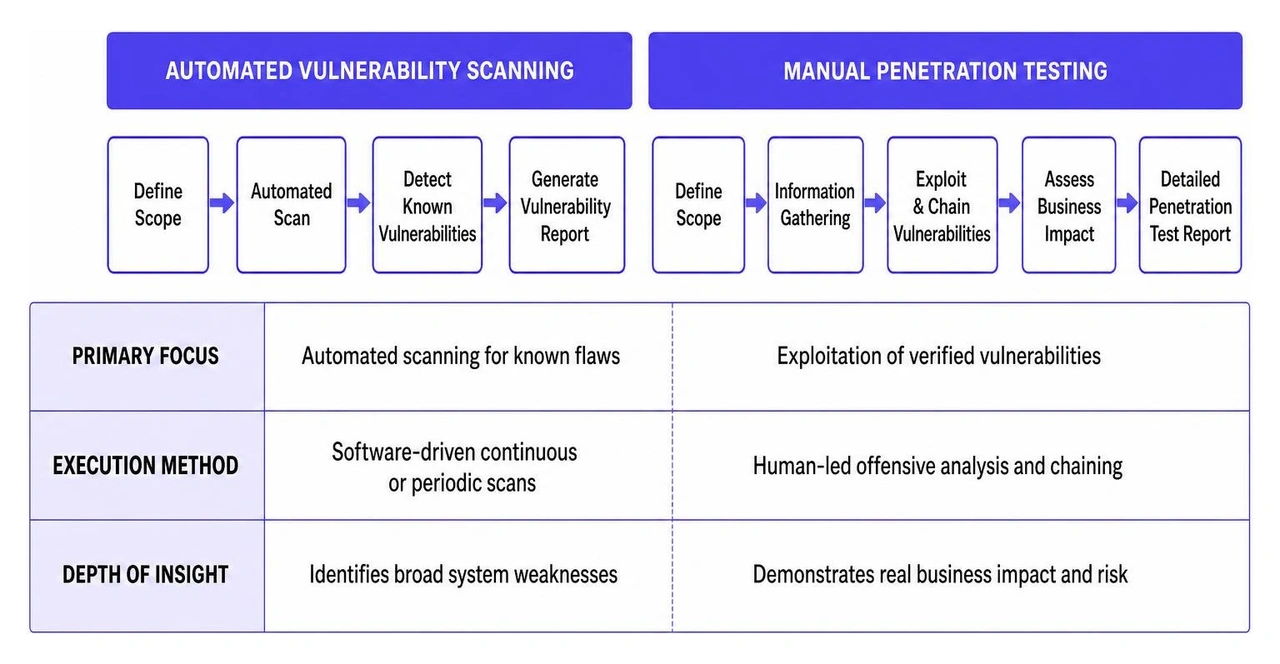
Learn penetration testing basics: ethical hacking methods, black-box scoping, and 7-phase workflows to reduce risk before attackers strike.

Learn how XDR risk reduction eliminates blind spots across endpoints, identity, and cloud to slash detection time and stop attacks faster.

Learn how AI driven threat detection predicts and stops attacks in minutes, with autonomous response across hybrid environments.
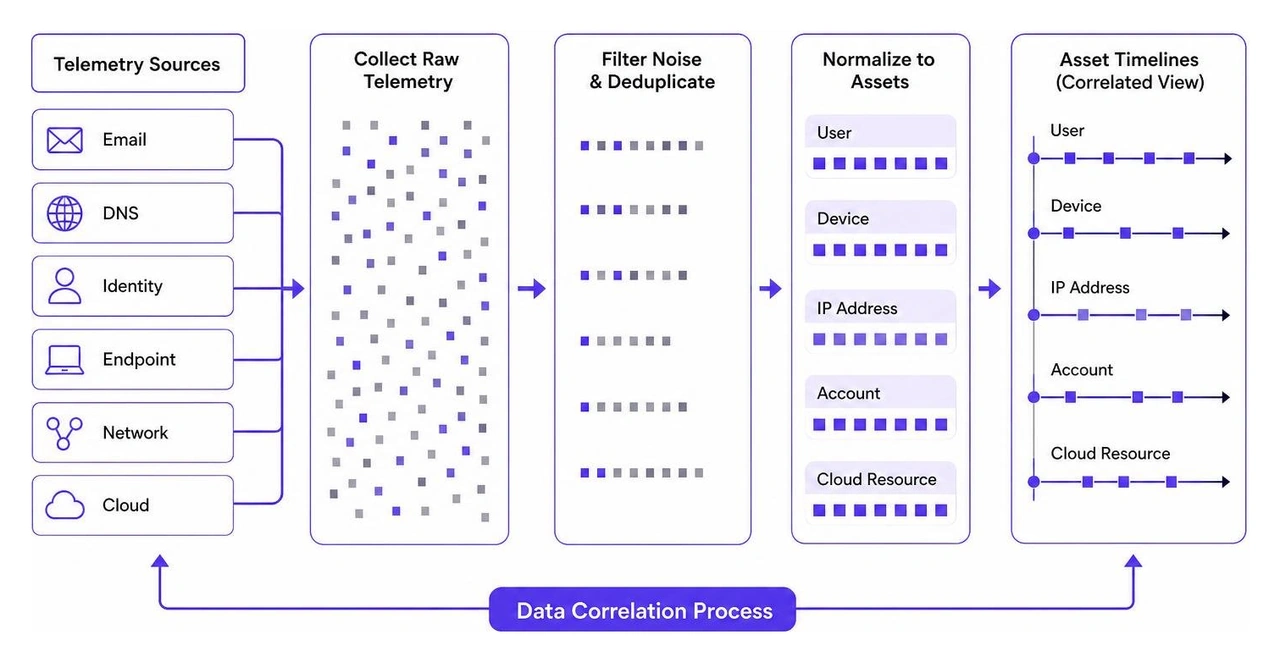
Unify your security with an XDR cybersecurity platform that correlates endpoint, network, and cloud threats for faster, managed response.
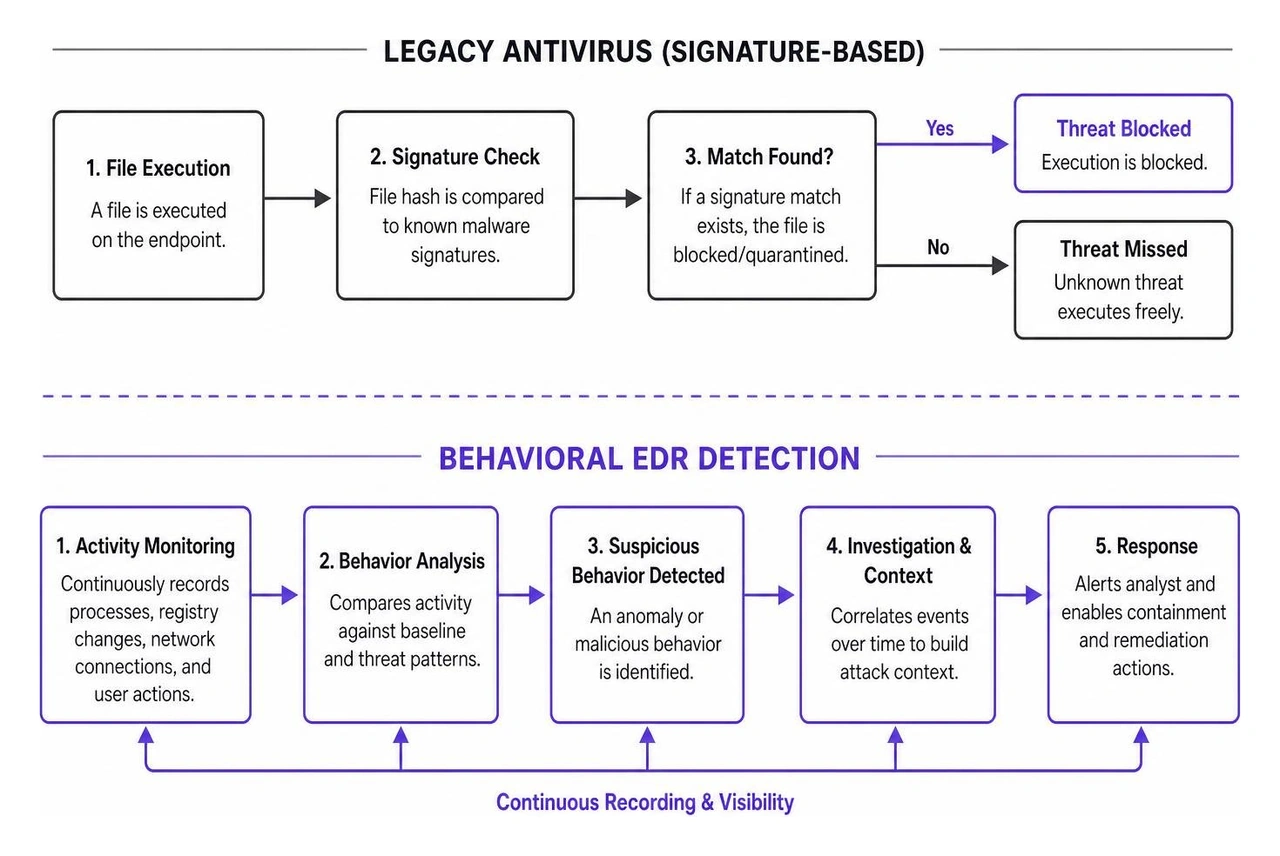
Compare EDR, XDR, and MDR solutions in this guide to endpoint detection & response, featuring WhiteDog's unified platform with 24/7 SOC and incident response.