Cybersecurity
September 9, 2026
Learn how AI phishing detection stops next-gen attacks that bypass traditional defenses, with practical capabilities to evaluate.
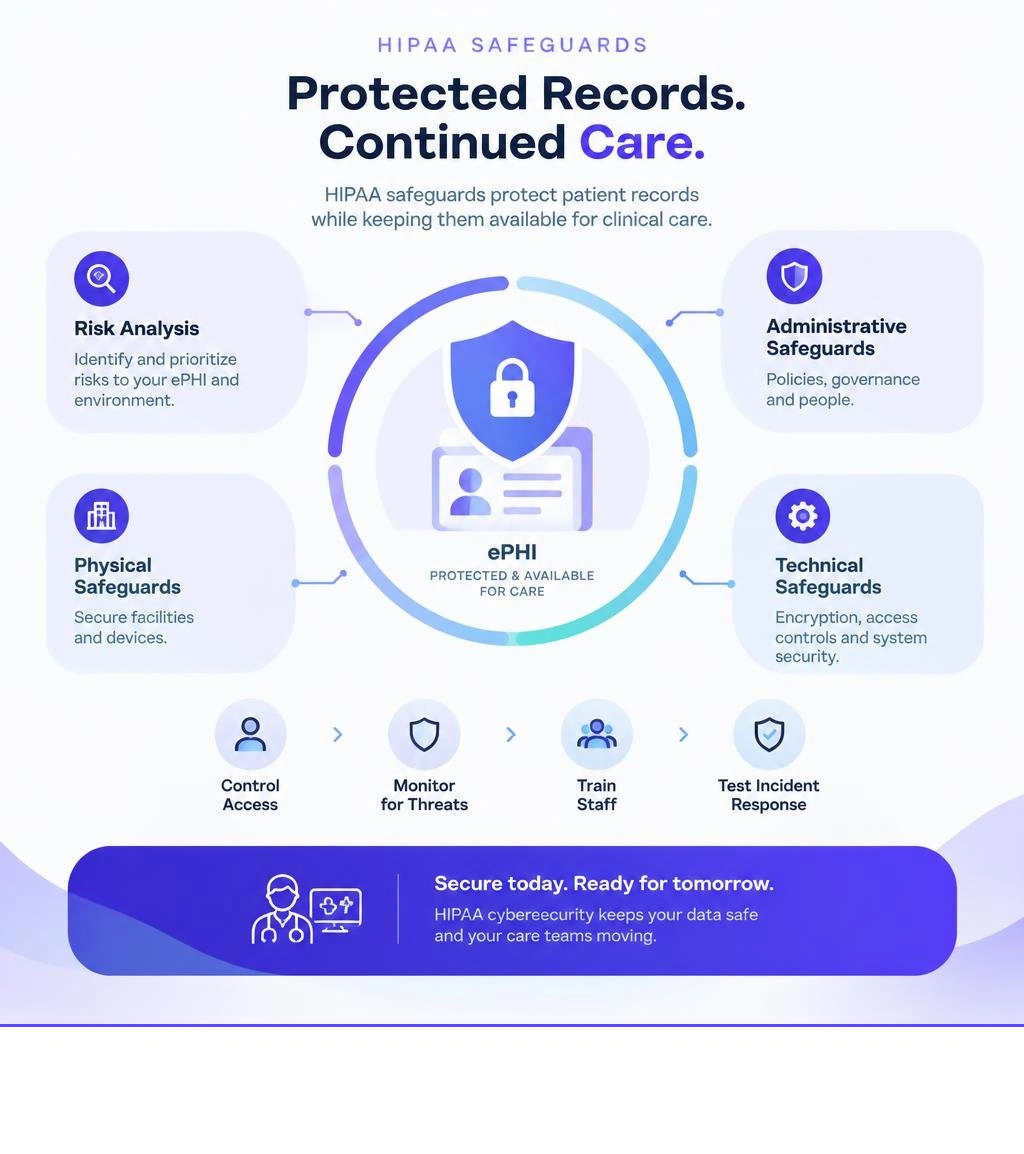
HIPAA cybersecurity services help healthcare organizations protect electronic protected health information (ePHI) while keeping records available for patient care. Start with a risk analysis, then put administrative, physical, and technical safeguards in place. Control access, monitor for threats, train staff, and test how you will respond to an incident.
The HIPAA Security Rule allows safeguards to fit an organization’s size and risks. The goal is not to slow clinical work. It is to make secure access and recovery part of daily operations.
WhiteDog’s continuous attack surface management and 24x7 security operations use correlated intelligence to identify threats earlier and support a confident response. Delta 360, built on WhiteDog’s Open XDR framework, adds a unified operational and security layer across Microsoft and third-party tools. It helps teams improve visibility, security hardening, threat detection, exposure management, and response while getting more from existing Microsoft investments.
Navigating healthcare compliance requires understanding who must comply and what standards govern data protection. The Health Insurance Portability and Accountability Act (HIPAA) applies directly to covered entities—such as health plans, healthcare clearinghouses, and healthcare providers that transmit health information electronically.
Under the Health Information Technology for Economic and Clinical Health (HITECH) Act, direct statutory liability extends to business associates. Business associates are third-party vendors, cloud providers, and managed service providers who create, receive, maintain, or transmit electronic protected health information (ePHI) on behalf of a covered entity.
The primary mandate of the Security Rule is to protect the confidentiality, integrity, and availability of ePHI through continuous risk management. Healthcare organizations migrating infrastructure off-premises must balance accessibility with strict compliance mandates, particularly when managing audit and compliance in cloud computing. Regulatory oversight by the Department of Health and Human Services (HHS) Office for Civil Rights (OCR) enforces severe penalties for unmitigated vulnerabilities, non-compliance, and delayed breach disclosures.
While the HIPAA Privacy Rule and Security Rule operate in tandem, their scopes and enforcement mechanisms address different operational challenges:
The Security Rule requires covered entities to maintain three critical pillars:
In a clinical environment, availability is as critical to patient outcomes as confidentiality. A system locked by ransomware prevents physicians from accessing allergy data, imaging, and medication histories, directly threatening patient care.
The Security Rule categorizes implementation specifications as either Required or Addressable. Understanding this distinction is essential for deploying effective security controls without creating operational bottlenecks:
Adopting modern strategies such as the definitive guide to zero trust architecture allows healthcare systems to meet addressable specifications—such as granular access control and continuous session verification—while supporting clinical mobility.
| HIPAA Security Specification | Classification | Practical Implementation Requirement |
|---|---|---|
| Unique User Identification | Required | Assign a unique name or number to identify and track each user's identity. |
| Emergency Access Procedure | Required | Establish methods for obtaining necessary ePHI during an emergency ("break-glass"). |
| Automatic Logoff | Addressable | Terminate electronic sessions after a predetermined time of inactivity. |
| Encryption and Decryption | Addressable | Implement mechanisms to encrypt ePHI at rest and in transit, or document alternative controls. |
| Audit Controls | Required | Implement hardware, software, and procedural mechanisms that record and examine activity in ePHI systems. |
| Transmission Security | Addressable | Implement technical security measures to guard against unauthorized access to ePHI over networks. |
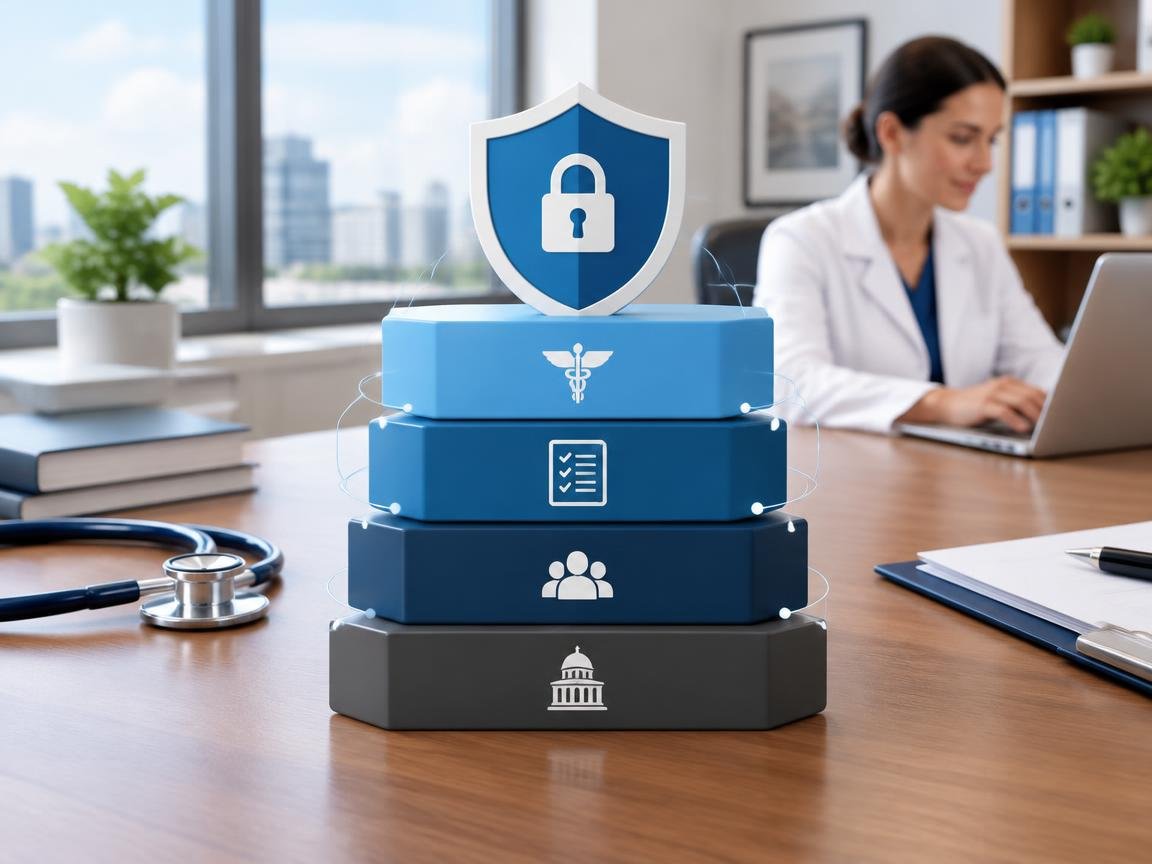
Achieving compliance requires a defense-in-depth model across the three foundational safeguard pillars defined by the Security Rule.
Administrative safeguards form over half of the HIPAA Security Rule requirements, focusing on governance, workforce management, and proactive risk remediation:
Physical safeguards protect the physical plant, computing hardware, and mobile equipment from unauthorized physical access, tampering, and natural disasters:
Technical safeguards use technology to control access to ePHI and monitor system activity:
Securing clinical environments requires robust endpoint security across clinician workstations, mobile carts, and bedside medical tablets. As clinical workflows expand across hybrid environments, adhering to best practices outlined in our cloud security guide 2026 ensures data remains protected across multi-tenant architectures.
The healthcare threat landscape presents high stakes for security teams. In 2023, the average cost of a healthcare data breach reached $10.93 million, maintaining its position as the costliest industry for data compromises. Cybercriminals target healthcare providers because patient records contain permanent personal identifiers, financial data, and medical histories.
Modern healthcare operations face three primary vectors of cyber disruption:
Under the HIPAA Breach Notification Rule, covered entities and business associates must maintain comprehensive incident response plans that satisfy strict regulatory mandates:
When an incident occurs, organizations must assess:
Executing an effective containment and forensic strategy requires following a structured framework, as detailed in our cybersecurity incident response guide 2026.
The HIPAA Security Rule is built to be flexible and scalable. A five-physician outpatient clinic is not expected to implement the same technical infrastructure as a multi-hospital health network. However, both must achieve the same regulatory baseline: protecting ePHI.
Smaller healthcare practices and startups often lack the budget for a dedicated, full-time Chief Information Security Officer (CISO). Utilizing structured advisory engagements, such as virtual or fractional CISO advisory support, provides executive guidance to establish compliance roadmaps, manage third-party vendor risks, and conduct audit preparations.
Business Associate Agreement (BAA) oversight remains a key compliance priority. Covered entities must verify that every downstream cloud provider, software vendor, and managed service provider signs a legally binding BAA and demonstrates verifiable technical safeguards before handling ePHI.
Healthcare networks operate 24 hours a day, 7 days a week—and cyber threats do not pause outside clinic hours. Security operations require continuous visibility across all operational domains.
Modern security architectures combine automated alert triage with human expertise. Automated systems quickly flag anomalous behaviors, while skilled analysts investigate nuanced activity to protect clinical operations.
When evaluating external partnerships, healthcare IT leaders turn to dedicated cyber security managed service providers to bridge operational gaps. WhiteDog’s approach is tailored to deliver scalable, comprehensive defense:
Required specifications mandate exact implementation without exception. Addressable specifications provide flexibility: an organization must conduct a formal, documented risk assessment to determine if the control is appropriate. If the control is deemed inappropriate or unreasonable for the clinical environment, the entity must document the rationale and implement an alternative, equivalent safeguard that achieves the same security goal.
While the Security Rule does not specify a rigid calendar interval (such as quarterly or annually), federal guidelines and industry best practices mandate that organizations perform a comprehensive risk analysis at least annually. Additionally, a risk assessment must be conducted whenever major operational or technical changes occur—such as adopting a new EHR platform, migrating to cloud infrastructure, integrating new medical devices, or following a security incident.
For breaches affecting 500 or more individuals, covered entities must notify affected patients and the HHS Secretary without unreasonable delay and no later than 60 calendar days from the discovery of the breach. Prominent media outlets must also be notified within this 60-day window if more than 500 residents of a state or jurisdiction are affected. For breaches involving fewer than 500 individuals, the entity must log the incident and report it to HHS OCR no later than 60 days after the end of the calendar year in which the breach occurred.
Securing electronic health records requires a balanced strategy that pairs administrative governance with active threat detection. By establishing a security-first culture, enforcing least-privilege access, and deploying modern technical safeguards, healthcare organizations can protect patient privacy without impeding clinical workflows.
WhiteDog Cyber provides the unified visibility, exposure management, and 24/7 SOC expertise needed to keep healthcare environments resilient, compliant, and focused on patient care.
Learn how our Managed Security Services protect healthcare operations


Learn how AI phishing detection stops next-gen attacks that bypass traditional defenses, with practical capabilities to evaluate.

Evaluate your cloud security audit options with this actionable checklist covering multi-cloud frameworks, CSPM, DSPM, and AI-driven automation.

Learn the five pillars of MSP risk reduction to secure operations, manage vendor risk, and build defensible compliance.

Learn how AI based malware detection stops polymorphic threats and zero-day attacks using deep learning, behavioral analysis, and multi-modal pipelines.
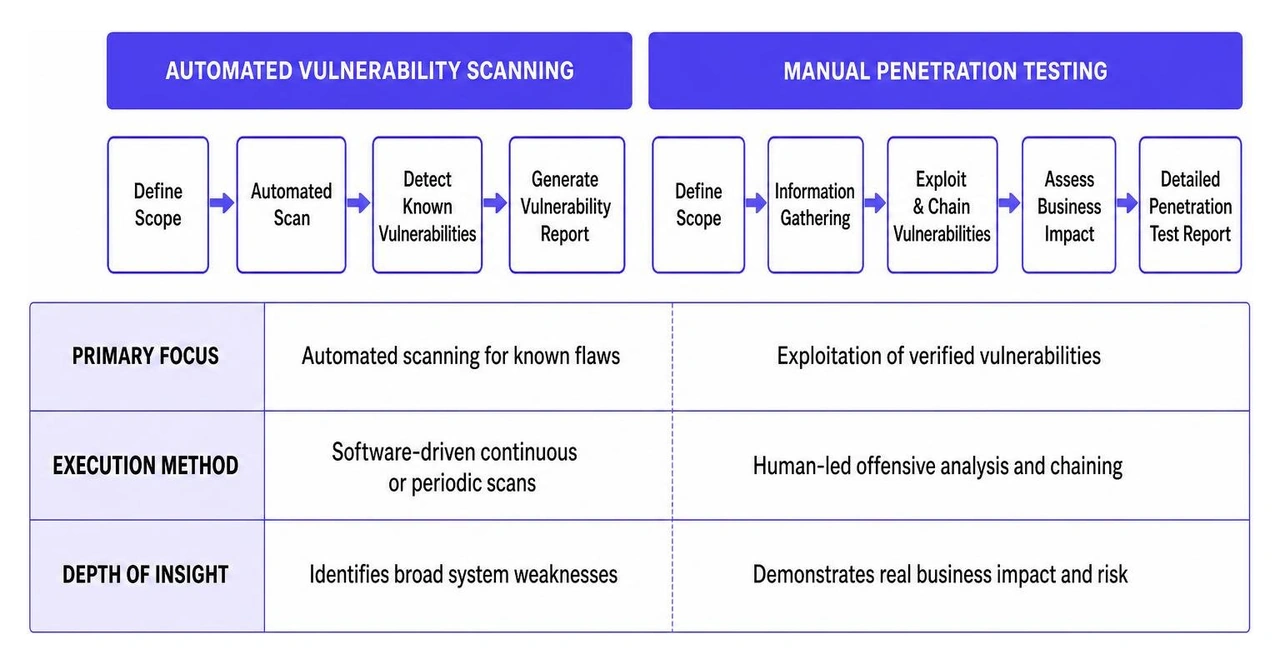
Learn penetration testing basics: ethical hacking methods, black-box scoping, and 7-phase workflows to reduce risk before attackers strike.

Learn how XDR risk reduction eliminates blind spots across endpoints, identity, and cloud to slash detection time and stop attacks faster.